Have you been struggling to stay on your feet lately? Are you worried about falls? Balance and stability training can make a significant difference in your daily life. We’ll improve your coordination and reduce your fall risk, helping you stay safe and confident.
Good balance and stability are crucial for everyone, especially as we age. These skills help you move throughout your day with confidence, whether you’re walking, climbing stairs, or even standing still. Poor balance can lead to falls, a significant cause of injury, especially in older adults. But by enhancing your balance and stability, you can prevent these accidents and maintain your independence for longer.
Balance training has other benefits, too. It can enhance athletic performance, aid injury recovery, and improve overall fitness. Keeping up with balance and stability training can lead to better mobility and greater well-being.
If you want to improve your balance and stability, the Fitness Matters team is here to help! Keep reading to learn more about how physical therapy can enhance your coordination and keep you safe from falls.
Assessing Your Fall Risk: Is Balance and Stability Training Right For You?
Understanding your fall risk is the first step toward improving your balance and stability. Here’s a simple checklist to help you evaluate your risk factors.
- Are you 65 years of age or older? Fall risk increases dramatically as we age.
- Have you fallen in the past year? Falls can indicate underlying balance issues.
- Do you engage in regular physical activity? Regular exercise strengthens muscles and improves coordination.
- Do you have difficulty with walking or standing up from a seated position? Mobility challenges make it harder to move–and can make it more likely you’ll suffer a fall.
- Do you have chronic conditions like arthritis, diabetes, or heart disease? Certain health issues can impact your balance.
- Are you taking medications that cause dizziness or drowsiness? Some medications can affect your balance or cause.
- Is your vision impaired? Good vision is crucial for maintaining balance and avoiding obstacles. Age-related vision changes are one reason older people have a higher fall risk.
- Are there tripping hazards in your home, such as loose rugs or cluttered walkways? A safe home environment reduces fall risk.
Personalized Programs for Improving Balance and Stability
If you answered “yes” to any of the above questions, a balance and stability training program at Fitness Matters could benefit you. We’ll help address your specific risk factors through targeted exercises and customized strategies.
What to Expect with Balance and Stability Training at Fitness Matters
Manual Therapy
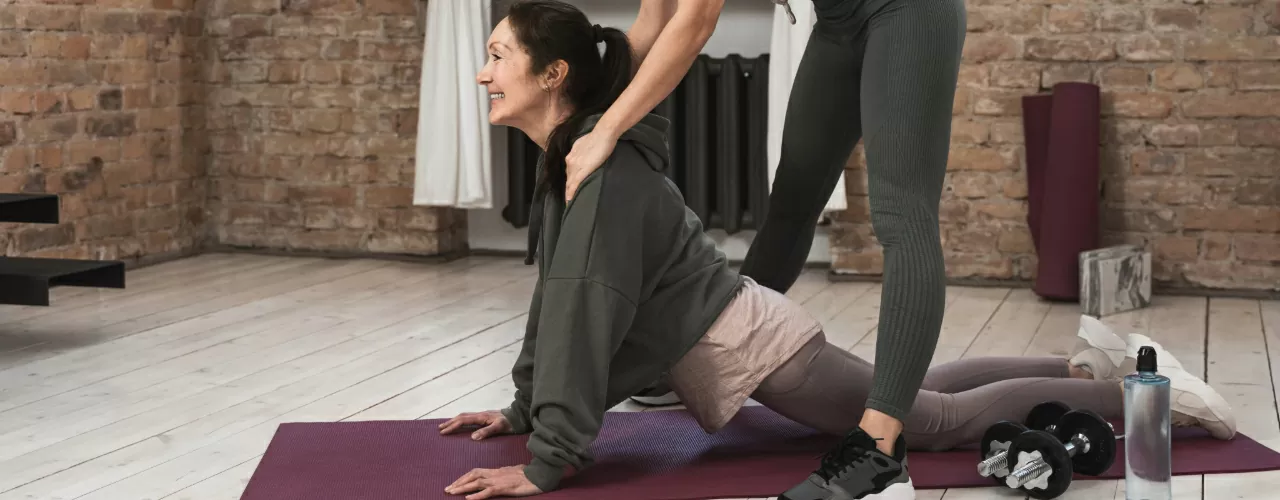
- Hands-on techniques, such as joint mobilizations and soft tissue manipulation, can alleviate stiffness, improve joint function, and reduce pain, all of which contribute to enhanced balance and stability.
Strengthening Exercises
- We’ll focus on exercises that target the core and lower body. These muscles support better balance and stability, reducing the risk of falls.
Balance Training
- Targeted balance challenges help train your muscles and brain to work together more effectively. We’ll start simple and increase intensity as you improve with activities like walking heel-to-toe, standing on one leg, or using a balance board.
Functional Training
- We’ll also incorporate everyday activities into your training, such as stepping over obstacles, going up and down stairs, or walking on uneven surfaces. These exercises help you move through your day safely and confidently.
Lifestyle Tips
- We can also provide personalized tips and strategies to reduce your fall risk. For example, we can help you identify tripping hazards in your home and suggest mobility aids that can help keep you on your feet.
Get Started with Balance and Stability Training Today!
Are you ready to start working to improve your balance? Schedule an appointment with the team at Fitness Matters for an initial assessment. We’re here to help you stay active, mobile, and independent for as long as possible!