
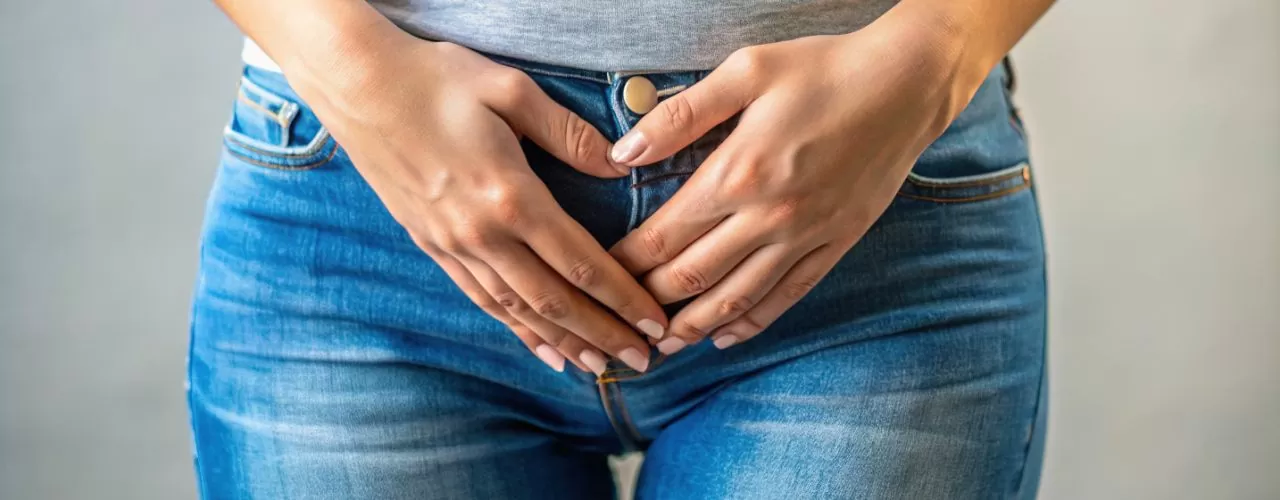
When Bladder Symptoms Disrupt Your Day
Pelvic pain, frequent trips to the bathroom, and a constant sense of urinary urgency can make it difficult to focus on anything else. Painful bladder syndrome, also known as interstitial cystitis, can have a big impact on everyday life. If you’re experiencing painful bladder syndrome in Worthington, Grandview, Westerville and Dublin, OH, Fitness Matters offers individualized pelvic health physical therapy to address musculoskeletal factors that may contribute to your symptoms. Our goal is to help you better understand your body, improve pelvic floor function, and feel more comfortable throughout your day.
What Is Painful Bladder Syndrome?
associated with bladder or pelvic pain, pressure, or discomfort along with urinary symptoms such as urgency or frequency. These symptoms typically occur without an infection or another readily identifiable cause that fully explains them. The exact cause is not fully understood, but several factors may contribute, including:
- Changes in bladder sensitivity
- Changes in nervous system processing
- Inflammation in the pelvic area
Pelvic floor muscle dysfunction.
Pelvic floor health is particularly important for people with interstitial cystitis. When the bladder or surrounding tissues are painful, pelvic floor muscles may tighten as a protective response. Persistent tension can make it difficult for these muscles to relax normally and may contribute to symptoms.
Recognizing Common Bladder and Pelvic Symptoms
Every person’s experience is different, but painful bladder syndrome may be associated with:
- Bladder or pelvic pain, pressure, or discomfort
- Frequent urination throughout the day
- A strong or persistent urge to urinate
- Waking frequently at night to use the bathroom
- Discomfort as the bladder fills
- Temporary relief after urination
- Pelvic floor muscle tenderness or tension
- Pain during or after sexual activity
- Difficulty comfortably participating in exercise or daily activities
Symptoms can fluctuate over time. Some people experience periods when symptoms are relatively mild, followed by flare-ups that significantly affect daily activities.
Also, because these symptoms can overlap with urinary tract infections and other medical conditions, an appropriate medical evaluation is important to help determine the right treatment.
Physical Therapy for a Calmer, More Coordinated Pelvic Floor
At Fitness Matters, pelvic health physical therapy focuses on how your muscles, movement, and daily habits may influence your symptoms. Your physical therapist can assess pelvic floor muscle function as well as breathing, posture, hip and spinal mobility, and other factors that may contribute to pelvic tension.
Your treatment plan is tailored to your findings and goals. Care may include:
- Pelvic floor relaxation and coordination exercises
- Manual therapy for tight or sensitive muscles and soft tissues
- Breathing techniques to reduce unnecessary pelvic floor tension
- Gentle hip, spine, and pelvic mobility exercises
- Core and hip strengthening when appropriate
- Bladder habit and urge-management education
- Posture and movement training
- Strategies for managing activities that aggravate symptoms
For painful bladder syndrome, treatment is not necessarily about strengthening the pelvic floor. If muscles are already overactive or tense, learning how to relax and coordinate them may be a more appropriate starting point.
Spend Less Time Planning Around Your Bladder
Bladder and pelvic symptoms can influence where you go, what you do, and how confidently you participate in everyday life. With one-on-one care at Fitness Matters, you can learn strategies for managing symptoms while working toward improved pelvic floor function and greater comfort.
Contact our Worthington, Grandview, Westerville and Dublin, OH physical therapy clinic today to schedule a pelvic health evaluation and discover how we can support your painful bladder syndrome management plan.
Frequently Asked Questions
The conditions can cause similar symptoms, including urgency, frequency, and discomfort. However, a urinary tract infection is caused by an infection, while painful bladder syndrome is a chronic condition that is not explained by an active infection. Medical evaluation can help distinguish between them.
Not necessarily. Some people with interstitial cystitis have pelvic floor muscles that are already tense or overactive. Additional strengthening may not be appropriate in those cases. We can assess your muscle function and determine which exercises fit your needs.
Your first visits typically focus on understanding your symptoms, bladder habits, movement, and pelvic floor function. Treatment is then individualized and may include education, relaxation and breathing exercises, manual therapy, mobility work, and strategies you can use between appointments.
Are You Ready to Live Pain-Free?
Don’t let pain dictate your life. Take the first step towards reclaiming your mobility and well-being with our expert support. Start your journey to a healthier you today.
