
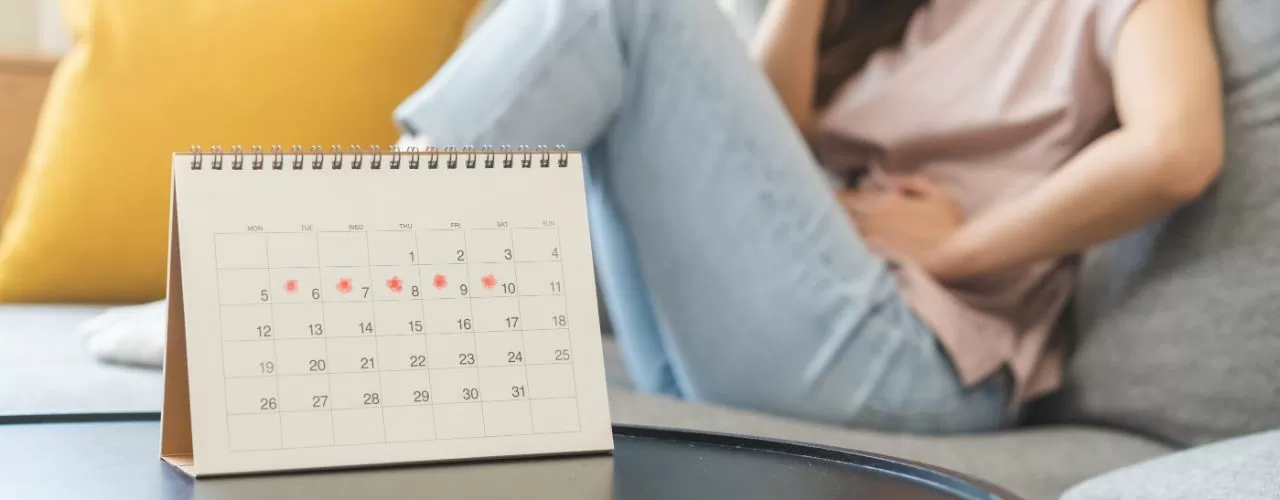
When Pelvic Pain Starts Getting in the Way of Life
Painful periods, persistent pelvic discomfort, or pain during intimacy can affect everything from your workouts to your workday. Endometriosis is a complex condition, and while physical therapy doesn’t cure it, the right care can address musculoskeletal and pelvic floor factors that may contribute to your symptoms. If you’re living with endometriosis in Worthington, Grandview, Westerville and Dublin, OH, Fitness Matters provides individualized pelvic health physical therapy to help you move more comfortably, manage symptoms, and stay engaged in the activities you value.
The Link Between Endometriosis and the Pelvic Floor
Endometriosis is a condition in which tissue similar to the lining of the uterus grows outside the uterus. Endometriosis lesions are commonly found within the pelvic region and can be associated with inflammation, scarring, adhesions, and pain. The exact cause of endometriosis is not fully understood, and symptoms can vary significantly from one person to another.
Endometriosis-related pain can also be associated with changes in pelvic floor muscle function. For some people, the pelvic floor muscles may become tense, sensitive, overactive, or difficult to relax. Changes in breathing, abdominal muscle function, and movement may also develop in response to persistent pain.
Addressing these secondary musculoskeletal issues can be an important part of a comprehensive endometriosis management plan.
Signs and Symptoms of Endometriosis
Endometriosis can look different for everyone, and the intensity of symptoms does not necessarily reflect the extent of the condition. Common concerns include:
- Painful menstrual periods
- Chronic or recurring pelvic pain
- Pain during or after sexual activity
- Lower abdominal or lower back pain
- Pain with bowel movements or urination, particularly during menstruation
- Constipation, bloating, or other bowel concerns
- Pelvic floor muscle tension or tenderness
- Fatigue
- Difficulty participating comfortably in exercise or daily activities
How Physical Therapy Can Help Manage Endometriosis
At Fitness Matters, pelvic health physical therapy focuses on the functional effects endometriosis may have on your body. Your therapist will listen to your concerns and assess relevant factors, including pelvic floor muscle function, mobility, strength, breathing, posture, and movement patterns.
Your treatment plan is based on your individual findings and goals. Depending on your needs, care may include:
- Pelvic floor relaxation and coordination training
- Manual therapy for muscles and soft tissues
- Abdominal and pelvic mobility techniques
- Breathing exercises to encourage pelvic floor relaxation
- Gentle stretching and mobility exercises
- Core and hip strengthening
- Postural and movement retraining
- Strategies for gradually returning to exercise and activity
- Education and individualized self-care strategies
By addressing muscle tension, mobility restrictions, and movement limitations, physical therapy can help you develop strategies to manage symptoms and improve everyday function.
Make More Room for the Activities You Enjoy
Endometriosis can be challenging, but pain does not have to be the only factor guiding how you move through your day. Fitness Matters provides one-on-one pelvic health care in Worthington, Grandview, Westerville and Dublin, OH centered on your symptoms, goals, and comfort. Together, we can work toward improving pelvic floor function and helping you participate more confidently in everyday life.
Contact our clinic today to schedule an evaluation and learn how pelvic health physical therapy may fit into your endometriosis care plan.
Frequently Asked Questions
No, physical therapy does not remove endometriosis lesions or cure the condition. However, it can address associated concerns such as pelvic floor muscle tension, mobility restrictions, movement-related pain, and difficulty participating in everyday activities.
It may help when pelvic floor muscle tension, tenderness, or difficulty relaxing contributes to pain. Treatment is individualized and may include relaxation, coordination, manual therapy, and strategies to improve comfort.
Physical therapy is often an important part of post-surgical recovery, particularly if you’re experiencing muscle tension, weakness, mobility restrictions, or difficulty returning to your usual activities. We can coordinate recommendations with your medical team’s postoperative guidance.
Are You Ready to Live Pain-Free?
Don’t let pain dictate your life. Take the first step towards reclaiming your mobility and well-being with our expert support. Start your journey to a healthier you today.
