

The Relationship Between Lower Back Pain and Pelvic Pain
The Relationship Between Lower Back Pain and Pelvic Pain
Most of us will experience back pain at some point in our lives. We might get a little too enthusiastic when moving furniture or develop muscular imbalances due to a sedentary job. But sometimes, back pain isn’t really back pain–rather, it’s rooted in dysfunction in your pelvic area.
Unfortunately, pelvic pain is often harder to discuss than back pain. It often stems from dysfunction with your pelvic floor, the band of muscles that support your bladder, bowels, and genitals. It can also indicate an issue with your sacroiliac joints.
Both back and pelvic pain can strike men and women–but women do tend to have more issues with pelvic pain, including pelvic-related back pain. Bodily changes during pregnancy are an especially common culprit.
If you’re dealing with pain in your lower back or pelvic area–or both–call Fitness Matters to schedule an appointment. We’ll help determine the actual source of your pain so you can find lasting relief.
Our Patients Get Great Results
“I would highly recommend Fitness Matters in Westerville! Anna and Rachel have worked with me through some difficult health challenges. They are very skilled and purposeful in their work. They also have given me hope to regain my former fitness level. The support staff are wonderful!”
– S.S.
Understanding the Causes of Lower Back and Pelvic Pain
Lower back pain is widespread and has several potential causes, including herniated discs, sprains and strains, poor posture, and spinal arthritis–not to mention various contributing factors like poor posture or muscular weakness.
But if that pain spreads into your pelvic area, there may be something else going on. In fact, lower back pain without a clear underlying cause often stems from dysfunction in the pelvic area, such as the following:
- Impaired pelvic floor: Did you know that your pelvic floor muscles make up part of your core, which supports and stabilizes your spine? If your pelvic floor muscles are weakened or impaired, your back muscles have to do more work to compensate–setting you up for muscle strains or other injuries.
- Sacroiliac joint dysfunction: The sacroiliac joint is the joint that links the spine to the pelvis, so it should be surprising that if something’s wrong there, you may feel pain in both your lower back and your pelvic area. Arthritis, injury, and pregnancy can all cause issues in the sacroiliac joint.
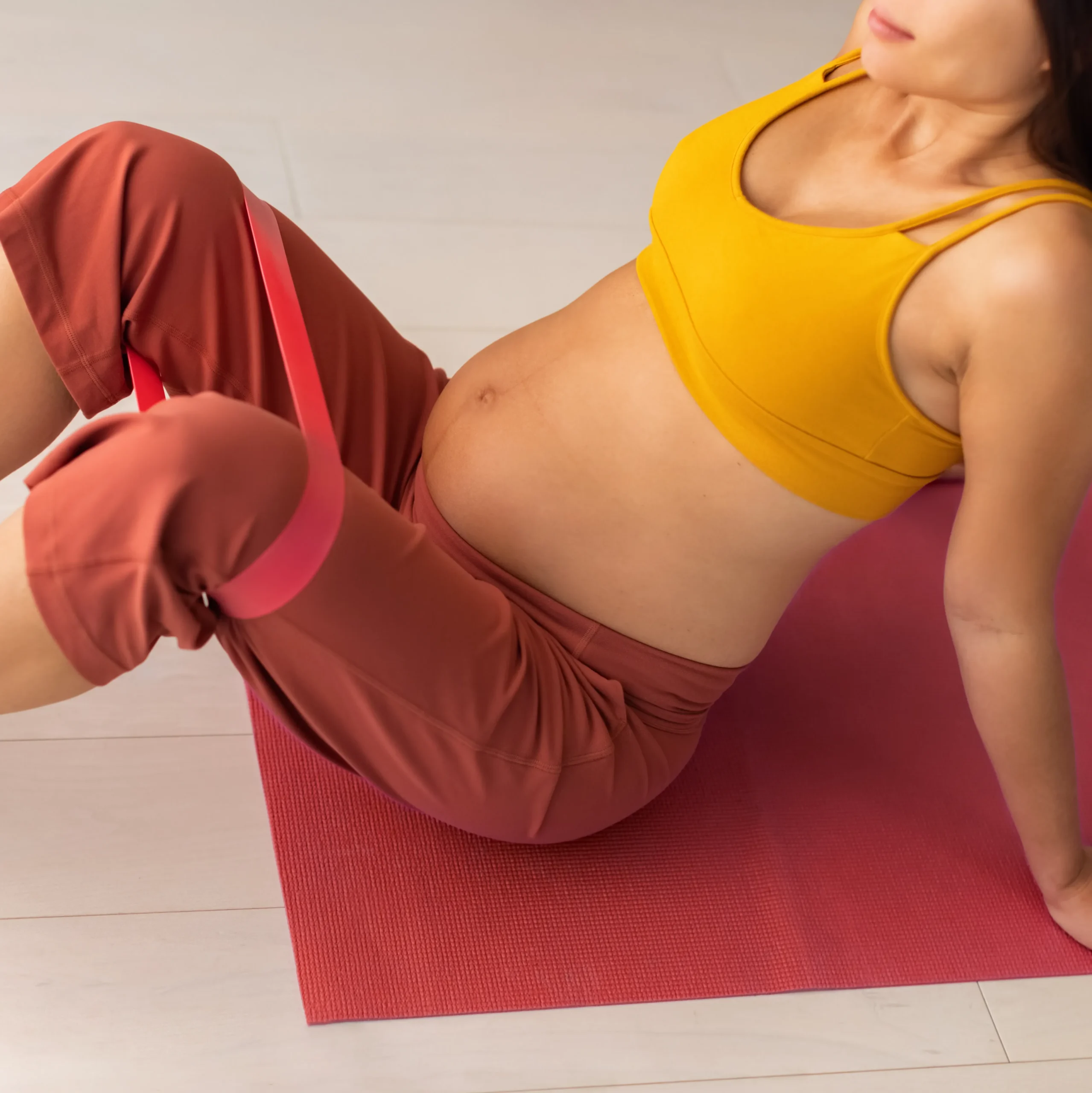
- Pregnancy: Pregnancy itself is a common cause of pain throughout the lower back and pelvic area. There are two main reasons for this:
- Hormonal changes cause your ligaments to become looser in preparation for childbirth, which puts strain on your lower back and pelvis.
- Your center of gravity changes, and your growing baby can force your hips back at an awkward angle, leading to pain.
Helping You Find Relief, No Matter the Source
When it comes to pain in your lower back and pelvis, the first step our therapists take is to identify the source of your pain. That way, we can provide the customized treatment you need to resolve the pain at its root rather than merely treating symptoms.
We’ll begin with a comprehensive evaluation. Our therapists provide a welcoming, discreet space where you can freely share your symptoms–including pelvic-related symptoms that might feel embarrassing. Make sure you share…
- The exact location of your pain
- The pain’s sensations–is it burning? Dull? Aching?
- When do you feel pain? Is it persistent? Do you mostly notice it when you wake up?
- Any restrictions in range of motion you might be experiencing
- Any pelvic-related symptoms you might be experiencing, such as incontinence or sexual dysfunction
Once we’ve reviewed your symptoms and taken a full health history, we’ll conduct an in-depth physical evaluation, including running several movement screens. All this information helps us determine whether or not your pain is rooted in your lower back, pelvic area, or somewhere else–and that helps us develop your personalized treatment plan.
A Quick Introduction to Pelvic Floor Physical Therapy
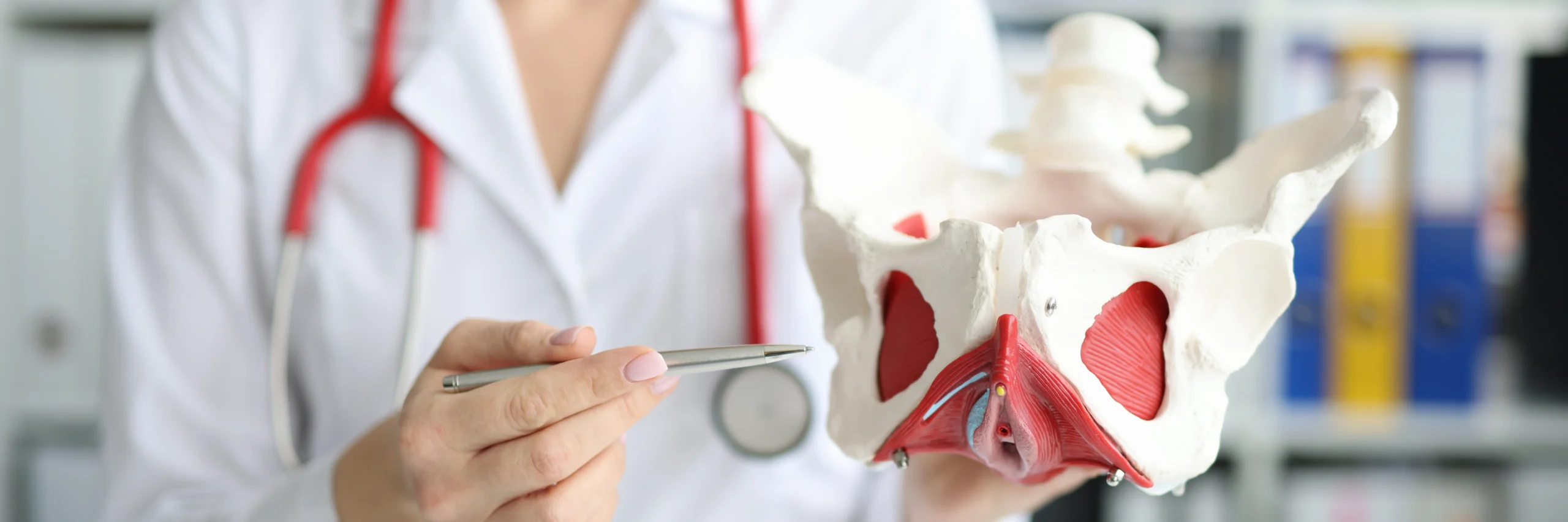
When was the last time you thought about your pelvic floor? This sling of muscles isn’t visible, but it plays a significant role in our overall health and well-being:
- It makes up part of our core muscles, which help us move better and more effectively.
- It supports our pelvic organs–bowels, bladder, and, in women, genitals.
- If it’s impaired, you can suffer a range of symptoms, from pain to sexual dysfunction.
Pelvic floor physical therapy is a specialized form of physical therapy that focuses on matters of the pelvic floor. It uses the same principles as standard physical therapy, including identifying the source of your discomfort and providing you with a personalized treatment plan.
What Can I Expect From Pelvic Floor Physical Therapy?
- Help with pelvic-related conditions such as incontinence, pelvic pain, sexual dysfunction, or pelvic prolapse.
- A discreet space where you can freely share symptoms and work with a therapist specially trained in women’s health and/or pelvic floor issues.
- Guidance in identifying the deep muscles that might be causing you issues–such as your pelvic floor, deep abdominals, or diaphragm. These muscles are not visible, so working on them can be a challenge.
- Information about using these muscles correctly and targeted exercises to stretch and strengthen them.
- Simple pelvic floor exercise plans that you can do at home.
We offer pelvic floor physical therapy here at Fitness Matters. If you’d like to learn more about what it can do for you, call us today!
Targeted Treatments So You Can Find Relief
Our treatment plans will vary based on your exact needs. In general, though, we aim to help you with the following:
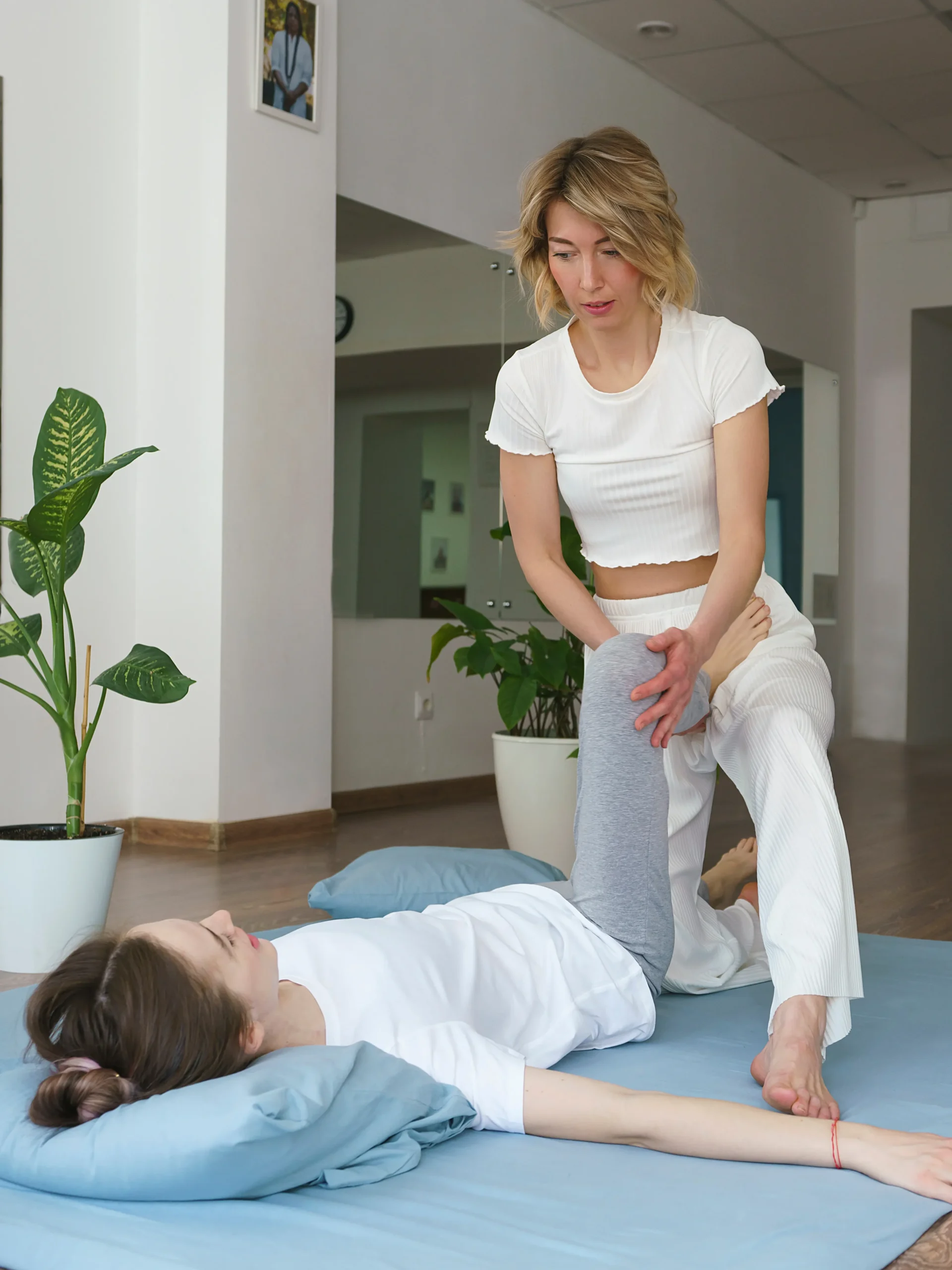
- Find immediate pain relief through manual therapy techniques or gentle stretches
- Improve mobility through targeted range of motion exercises
- Strengthen any weakened or impaired muscles, whether in your back or pelvic floor
- Provide you with the tools you need to avoid future bouts of pain

Green Muffins Recipe — Perfect for St. Patrick’s Day
Ingredients:
- 2 cups whole wheat pastry flour, white whole wheat flour or spelt flour
- 2 teaspoons aluminum-free baking powder
- ½ teaspoon baking soda
- ½ teaspoon fine ground sea salt
- 1 large egg
- ¾ cup pure maple syrup
- ¾ cup dairy or non-dairy milk such as almond milk
- ¼ cup unrefined coconut oil melted
- 2 teaspoons pure vanilla extract
- 1 5- or 6-ounce bag of fresh baby spinach leaves
- 2 medium ripe bananas mashed
Directions:
-
Preheat oven to 350 degrees and line a standard 12-cup muffin tin with unbleached parchment liners.
-
In a large bowl, whisk together the flour, baking powder, baking soda and salt.
-
In a blender add egg, maple syrup, milk, oil, vanilla and spinach. Process until pureed.
-
Add spinach mixture to the flour mixture and stir until just combined. Fold in the mashed banana.
-
Scoop batter into prepared muffin tin, filling cups about ¾ full. I like to do this with a large ice cream scooper. Bake about 25 minutes, or until toothpick inserted into the center comes out clean.
-
Store at room temperature up to 3 days. These freeze nicely!
Call Us Today To Get Started!
If you’re struggling with back or pelvic pain, the Fitness Matters therapists will help you get to the bottom of things. Call to make your appointment today!