


How Posture Affects Neck and Shoulder Health
How Posture Affects Neck and Shoulder Health
Meet Sarah, a middle-aged office worker who, like many of us, spends most of her workday sitting at a desk, typing away on a computer. Over the years, Sarah started experiencing persistent neck and shoulder pain that gradually began to affect her quality of life. Little did she know that her posture was a major part of the problem.
This is the story of how Sarah’s journey to better posture relieved her neck and shoulder pain and improved her overall well-being.

The Postural Predicament
Sarah’s days at the office involved long hours spent hunched over her computer engrossed in her work. Her posture was far from ideal, and she rarely paid attention to how she sat or the position of her neck and shoulders. Like many individuals in sedentary jobs, she was unaware of the consequences poor posture could have on her health.
The Painful Wake-Up Call
One day, Sarah began to experience nagging neck pain that radiated into her shoulders. At first, she dismissed it as stress-related tension, but the discomfort persisted. Evenings were no longer enjoyable as the pain in her neck and shoulders made it challenging to relax or engage in her favorite activities. It was a wake-up call that something needed to change.
Seeking Professional Help
Frustrated with the persistent pain, Sarah decided to consult one of our skilled physical therapists at Fitness Matters, who specialized in postural issues and musculoskeletal health. Her therapist began by comprehensively assessing her medical history as well as Sarah’s posture and movement capabilities.
Understanding the Impact of Poor Posture
Her physical therapist explained to Sarah how her poor posture was contributing to her neck and shoulder pain. Sitting for prolonged periods with her shoulders slouched forward and her head tilted down had placed excessive strain on her neck and shoulder muscles. The therapist also noted that her spine’s natural curvature was affected, further contributing to her pain.

The Treatment Plan at Fitness Matters
Sarah’s physical therapist developed a tailored treatment plan to address her posture-related issues. The program incorporated various techniques and treatments commonly used by physical therapists to improve posture:
- Postural Education: The therapist educated Sarah about maintaining proper alignment during everyday activities. She learned to sit and stand with a straight back, aligning her head with her spine.
- Exercises: Sarah was given a set of exercises to strengthen her neck, upper back, and core muscles while stretching tight muscles. These exercises were designed to address muscle imbalances contributing to her poor posture.
- Manual Therapy: During therapy sessions, her physical therapist used manual techniques to mobilize Sarah’s spine and alleviate muscle tension. These hands-on interventions helped improve joint mobility and relieve pain.
- Ergonomic Assessment: The therapist provided Sarah with recommendations for her workplace setup and how to make adjustments to promote better posture.
Sarah’s journey to better posture was not without its challenges. It required commitment, consistency, and a willingness to change her daily routine. However, over time, she began to experience significant improvements.
As Sarah diligently followed her exercise routine and ergonomic recommendations, her neck and shoulder pain gradually subsided. She felt more alert and focused at work, which increased productivity. Her improved mood and reduced stress levels were additional benefits of her posture-enhancing journey.
Take Action Today for Better Posture and Health
Sarah’s success story serves as a valuable reminder of how posture affects neck and shoulder health. Poor posture can lead to a variety of musculoskeletal issues, especially in office workers who spend extended hours sitting at desks. However, individuals like Sarah can significantly improve their posture and overall well-being with the right guidance and a commitment to change.
If you are struggling with neck or shoulder pain, give Fitness Matters a call and schedule a consultation to get the relief you deserve!
Achieving the Ideal Posture: A Roadmap to Optimal Alignment
As soon as someone says the word posture, people straighten right up, only to slump back down in a matter of minutes. Unfortunately, there are also a lot of misunderstandings about what “good” posture is.
At Fitness Matters, we understand that your “ideal” posture is based on your unique characteristics and life situation. Rather than compare you to someone else, we’ll help you find the posture that creates harmony and balance in your body.
Here’s an overview of what to strive for with posture:
- Head: Your head should be positioned over the spine. This helps maintain the natural curvature of the cervical spine (i.e., the neck), ensures the head is neither leaning too far forward nor tilting backward, and prevents undue strain.
- Shoulders: Your shoulders should be gently pulled back and relaxed, not slouched forward. This posture opens the chest, allowing unrestricted breathing and optimal circulation.
- Spine: The spine exhibits three primary curves: cervical (neck), thoracic (mid-back), and lumbar (lower back). Good posture ensures these curves remain intact, avoiding excessive arching or rounding.
Our therapists will develop a personalized plan tailored to your unique needs based on the assessment. This plan may include exercises, stretches, and techniques to address specific posture-related challenges.
Embrace Your Journey to Ideal Posture Today for a Healthier Tomorrow
Ideal posture is about alignment, balance, and harmony within your body. Our therapists are your partners, helping you identify your unique ideal posture and providing the guidance and support needed to attain it.
Call today to set up a consultation with one of our specialists!
Better Golfing This Summer

Have you been looking forward to golf season all year? If you’re an avid golfer, the last thing you want is for an injury to take you out of commission.
At Fitness Matters, our physical therapists are highly trained movement experts who can help you prevent injury. And before you see us, there are many things you can do on your own to protect yourself from the possibility of a painful injury.
Did you know that most golf injuries are caused by poor swing mechanics, poor core strength, or an improper warm-up? Adjusting your golf swing can be hugely beneficial and make this sport much easier on the body.
Maintaining proper posture throughout your swing is critical for preventing injuries. You should stand with your feet shoulder-width apart, rotated slightly outward, and your knees slightly bent. It’s also important to keep a relatively straight spine. Make sure to avoid hunching over the ball, as this can cause neck and back strain.
Be mindful of how aggressively you swing at the ball. Swinging the club too hard or too fast can put strain on your joints. Take a nice, easy swing at the ball. Not only will this help prevent injury, but it will also improve your game with a consistent swing tempo!
If you’re searching for more ways to improve your swing this season, contact Fitness Matters today. Our team can examine your posture and recommend improvements to lessen your risk of injury and increase your skill. See you out on the course!
Recipe of the Month: Broccoli Risotto
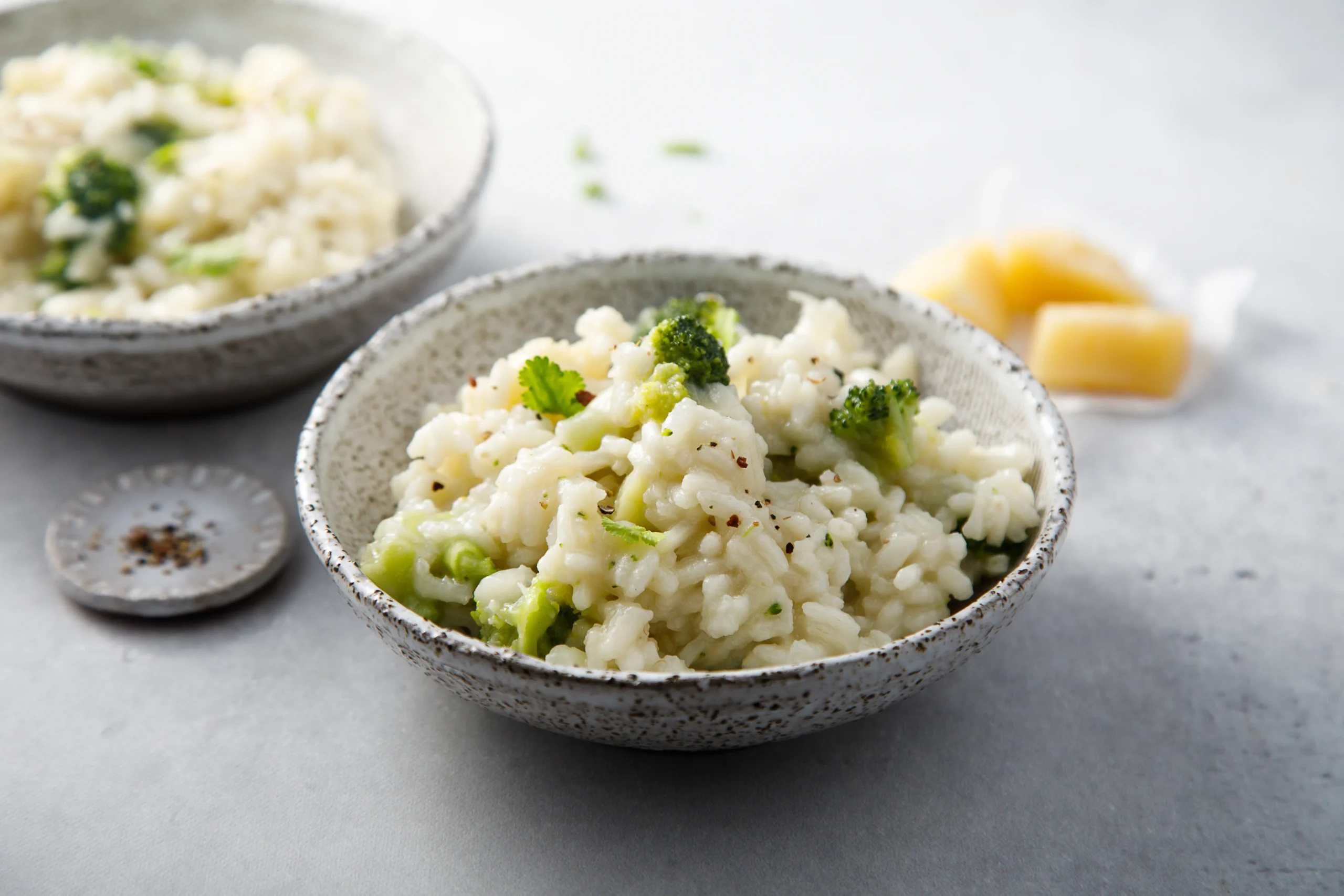
Ingredients:
- 2 tablespoons olive oil
- 3 tablespoons butter
- ½ large sweet onion, finely chopped
- 4 cloves garlic, chopped
- 1 ½ cups Arborio rice
- ½ cup dry white wine (such as Sauvignon Blanc)
- 2 tablespoons lemon juice
- 5 cups hot chicken broth
- 1 cup heavy cream
- 3 cups cooked broccoli florets
- 2 tablespoons chopped fresh chives
- 1 tablespoon grated Parmesan cheese
- 1 ½ tablespoons grated Asiago cheese
- salt and pepper to taste
Instructions:
- Gather all ingredients.
- Heat olive oil and butter in a large, heavy-bottomed saucepan over medium-high heat. Add onion and garlic; cook and stir until onion begins to turn golden brown at the edges, about 2 minutes.
- Pour in rice, and stir until rice is coated in oil and has started to toast, 3 to 4 minutes.
- Reduce heat to medium and stir in white wine and lemon juice. Cook and stir until wine has mostly evaporated, then stir in 1/3 of the chicken broth; continue stirring until incorporated.
- Repeat this process twice more, stirring constantly. Stirring in broth should take 15 to 20 minutes in all. Stir in cream and cook 5 minutes before stirring in broccoli, chives, Parmesan cheese, and Asiago cheese. Cook and stir until risotto is hot; season to taste with salt and pepper before serving.