

How Physical Therapy Helps Pelvic Health
How Physical Therapy Helps Pelvic Health
Are you experiencing pain in your intimate areas? Have you struggled with incontinence? For some, it can be challenging to talk about these types of struggles. At Fitness Matters, we are musculoskeletal experts and work with people experiencing difficulties in all body regions.
Our highly trained team uses the most advanced strategies to help alleviate the pain and restore normal function of the bowel and urinary systems. We also help people experiencing pain during sex and experiencing dysfunction in sexual performance.
Everyone has a pelvic floor, and learning how to resolve issues can significantly impact your overall well-being. At Fitness Matters, our team works with all types of problems affecting the pelvic region regardless of gender identity.
Request an appointment with one of our specialists so we can help you find relief!

Our Patients Get Great Results
“Terrific physical therapy and overall experience at Fitness Matters-Worthington!! Lauren was awesome in helping me reduce my pain and improve my mobility and strength in both shoulders. Thoughtful, compassionate, and customized care in a friendly atmosphere with lots of positive energy. I look forward to returning to Fitness Matters!”
– A.M.
What Is the Pelvic Floor?
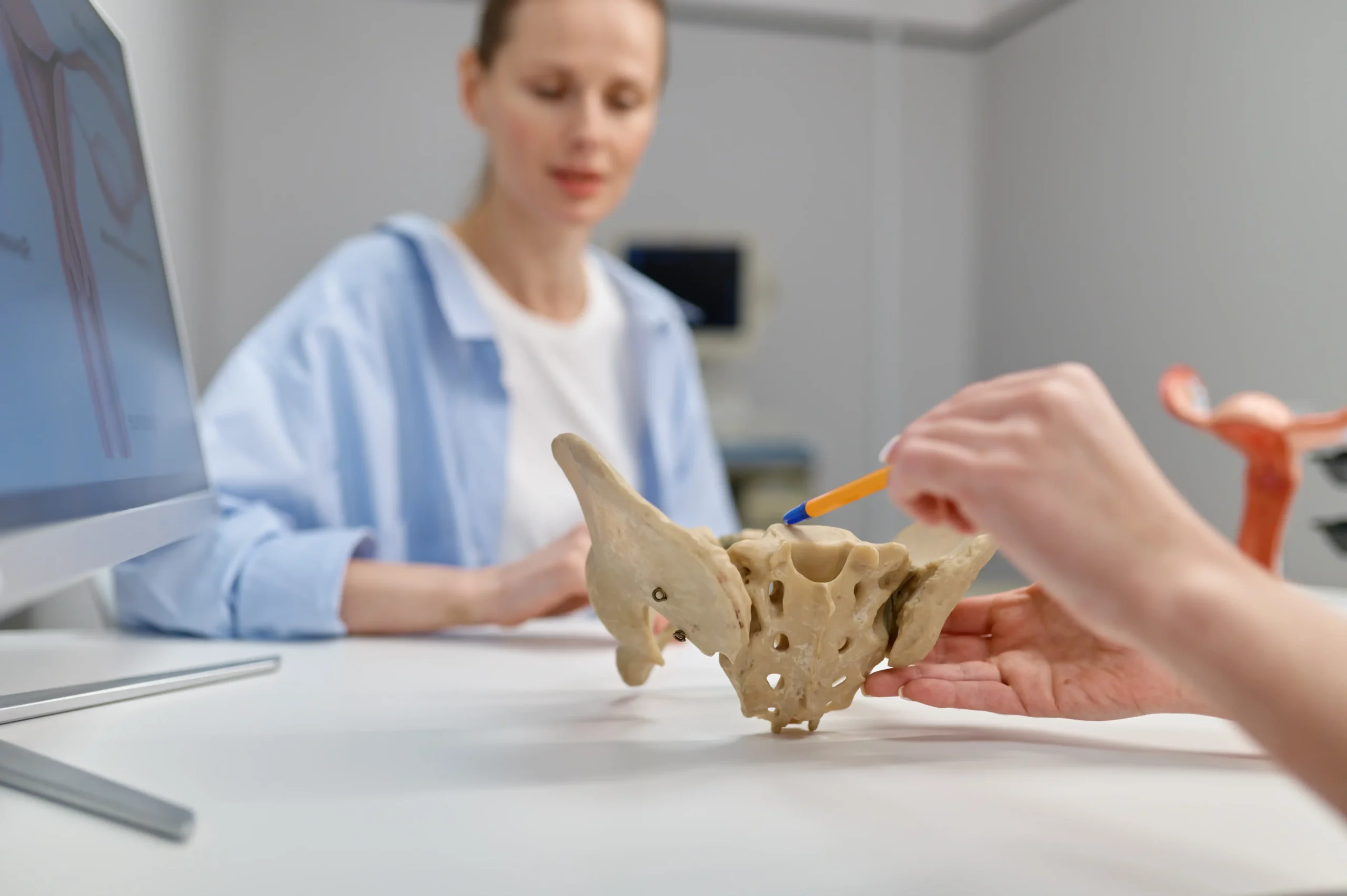
The pelvic floor is a term used to describe the region located in the bottom aspect of the pelvis. The pelvic floor is a complex system that works with the structures and systems in the pelvic cavity and the body.
The pelvic floor is supported by several muscles that also provide several essential functions, including supporting the organs found in the pelvis, bladder and bowel control, and sexual function. Impairments in muscle function can lead to pain and dysfunction.
The ability to contract the pelvic floor correctly can be affected by several factors, including:
- Weakened bladder muscles resulting from pregnancy, childbirth, obesity, and aging
- Physical damage to your pelvic floor muscles from childbirth or surgery
- Damage to the nerves from health problems like diabetes and multiple sclerosis
- Enlarged prostate
- Types of cancer
- Certain medications
- Trauma (physical, psychological/emotional)
Strong pelvic floor muscles are essential with activities where an extra force is added to the abdomen and pelvic floor (i.e., coughing, laughing, sneezing, and lifting). When these muscles are weak or not working as they should, pelvic floor dysfunction may occur. Fortunately, our physical therapists know how to identify the factors contributing to your problems and, more importantly, how to resolve them!
What Are the Most Common Issues People Face?
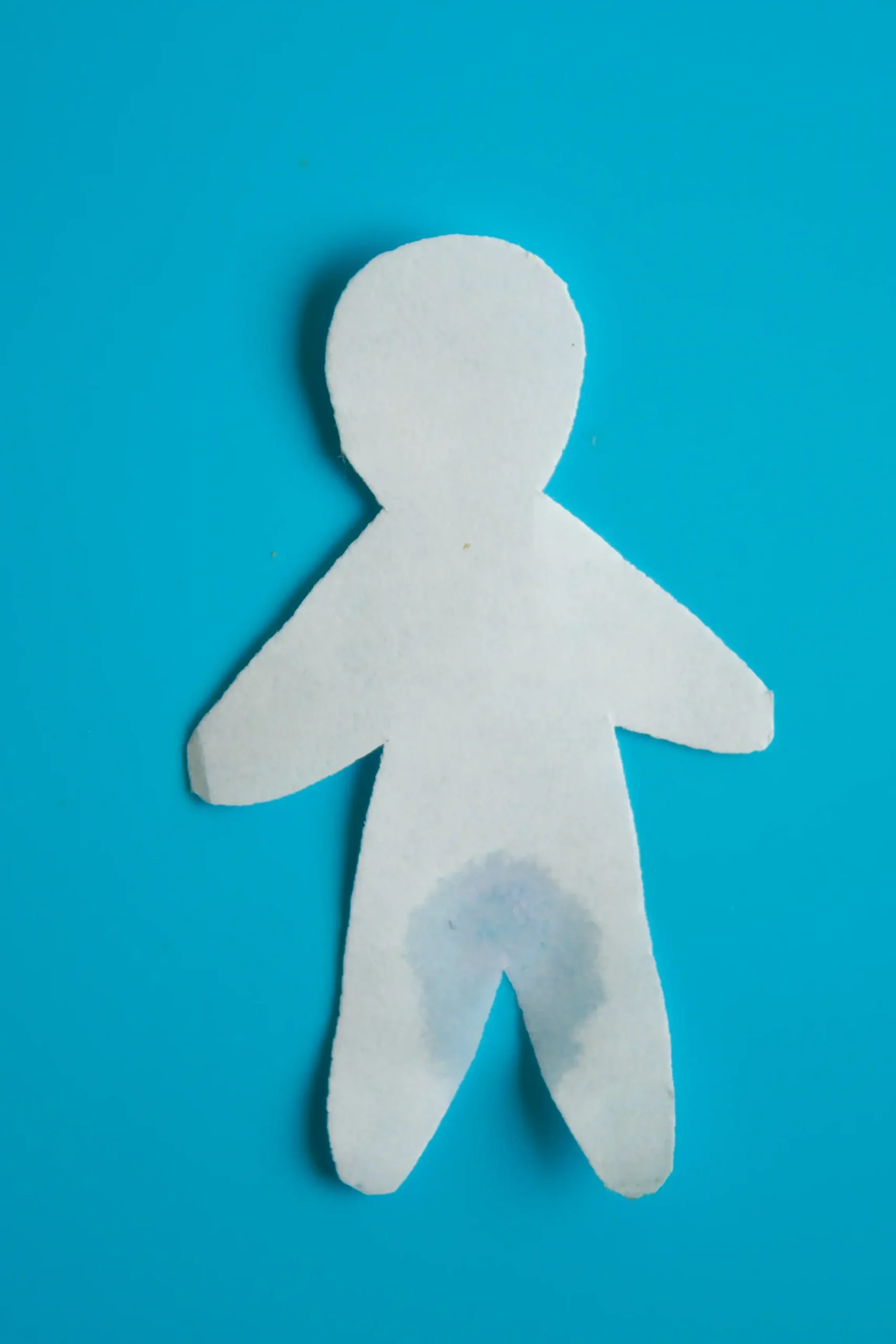
The pelvic floor muscles are needed for sexual function, urination, and defecation. Impairments are often ignored early on due to the difficulties of talking about this region of our body. We understand people’s difficulties, but it is important to note that addressing an issue when it first starts will often lead to a quick resolution and the most complete recovery.
Women experience pelvic floor conditions, including painful menstrual periods, painful urination, and urinary incontinence. The impairments will even lead to pelvic organ prolapse and chronic pelvic pain for some.
Men often don’t know about the pelvic floor until there is a problem. The most common issues include urinary dysfunction after prostate cancer treatments. Typically these symptoms range from some leaking to complete loss of bladder control or irritation/discomfort when urinating. Pelvic floor dysfunction for some may lead to erectile dysfunction.
Fortunately, our physical therapists are trained in pelvic rehab no matter your gender and can help you resolve any issue you may be experiencing.
How Physical Therapy Can Help
Our therapists at Fitness Matters tailor our programs to the individual using research-backed, comprehensive treatment programs. We will conduct a thorough history and physical examination to identify all the possible factors contributing to your condition.
Evaluating the strength of the pelvic floor muscles includes assessing your ability to willfully contract your muscles and also identifying your ability to generate power and sustain a contraction. It is also essential to test your contraction speed and your ability to relax on command.
We will use this information to develop an individualized program focusing on helping you resolve your pain and restore your function. Our pelvic floor treatments include:
- Soft tissue mobilization and massage of internal and external pelvic musculature to relieve muscle tension and provide pain relief
- Pelvic floor muscle retraining to restore normal strength and endurance
- Neuro-retraining (i.e., incorporating pelvic floor muscle activation during simulated daily activities)
- Electrical stimulation modalities for pain relief and to restore normal neuromuscular activation of the pelvic floor muscles and nerves
- Bladder training (i.e., gradually holding urine for longer and longer periods)
Our team will educate you on home exercises and simple movements that you can build into your everyday activities. We believe that teaching you strategies to manage and improve your pelvic health is the key to lasting results.
Request an Appointment
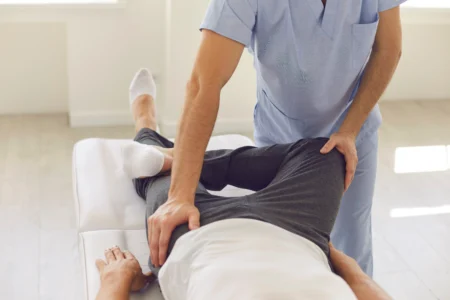
At Fitness Matters, our physical therapists can help with incontinence, pelvic pain, and sexual dysfunction, whether your condition results from reconstruction surgery, abdominal surgery, prostate cancer treatments, pregnancy, or childbirth. No matter what it is, we most likely treat it. Contact our clinic today and request an appointment with one of our pelvic floor specialists!

Pumpkin Pie Overnight Oats with Chia
Ingredients:
- 1/4 cup plain nonfat greek yogurt (or use vanilla!)
- 1/2 cup unsweetened vanilla almond milk (or any milk)
- 1/4 cup pumpkin puree
- 1-2 tablespoons pure maple syrup
- 1/2 teaspoon vanilla extract
- 1/2 cup rolled oats (gluten free if desired)
- 2 teaspoons chia seeds
- 1/2 teaspoon pumpkin pie spice
Directions:
- In a medium bowl, mix together greek yogurt, almond milk, pumpkin puree, vanilla and 1 tablespoon maple syrup until well combined.
- Stir in oats, chia seeds and pumpkin pie spice. Taste and add more maple syrup if you want it sweeter.
- Pour into a glass jar or container and place in fridge for 4 hours or overnight. Makes 1 serving of pumpkin overnight oats.
Sources: