

How Physical Therapy Helps Pelvic Health
How Physical Therapy Helps Pelvic Health
Are you living with symptoms you find difficult to talk about? Perhaps you’re struggling with incontinence, sexual dysfunction, or endometriosis. Maybe you’ve developed a pelvic organ prolapse.
While these conditions can sound scary, they’re very treatable. Unfortunately, they often stem from issues related to pelvic health, and many people will live with pain and discomfort due to being uncomfortable sharing their concerns.
At Fitness Matters, we want to change that. Our physical therapists frequently help people manage their pelvic health, offering private rooms and a judgment-free zone where you can share your symptoms and get the treatment you need.
Today, we want to explore pelvic health: what it is, how it can impact your life, and how our physical therapy services can help improve it.
Still have questions? Our friendly staff is happy to answer them. We’re just a phone call away!
Our Patients Get Great Results
“I can’t speak highly enough of Fitness Matters – Grandview! They were the biggest help when I experienced a knee injury/muscle imbalance while prepping for University Nationals for OSU Powerlifting. I was seen by Logan Steingass for 3 months and saw SO much improvement in my quality of training, muscle imbalances, and improving weak points! After 3-4 months of PT, I was able to compete at University Nationals pain free and match or beat all my PRs!🥳 Logan is an incredibly knowledgeable and compassionate physical therapist who truly cares about his clients and celebrates their progress every step of the way. Sarah Kremer, who did my intake, was so attentive and kind. & Amber at the front desk always brought a smile to my face! The entire team is amazing, and I’m so grateful for their help during such a challenging time!” – Lydia
What Do We Mean by Pelvic Health?
Your pelvic floor is a sling of muscles at the base of your core. It acts as a “hammock” for your pelvic organs, including your bladder, bowels, prostate (in men), and sexual organs (in women). When the pelvic floor is healthy, it supports those organs and helps them function properly. But when it becomes impaired–such as being weak or overly restricted–you can experience several different symptoms.
Anyone can experience issues with their pelvic floor, although the exact concerns can vary somewhat with gender. Here are some of the common complaints we help treat:
Urinary Incontinence
Anyone can develop urinary incontinence, although it is more common in women. This can include stress incontinence (leaking when laughing or coughing), urge incontinence (having an overwhelming need to go), or a combination.
Pelvic Pain
Pelvic pain can have a variety of causes, from nerve issues to gynecological conditions like endometriosis. We’ll help determine the cause and find the right treatment option for your needs.
Sexual Dysfunction
For women, sexual dysfunction can include painful intercourse or difficulty with orgasm. For men, it can include erectile dysfunction or painful ejaculation. But either way, pelvic floor impairment is often the culprit.
Pelvic Organ Prolapse
This occurs when the pelvic organs slip out of place. It can affect both men and women and develops due to weakened pelvic floor muscles.
Pregnancy/Postpartum Discomfort
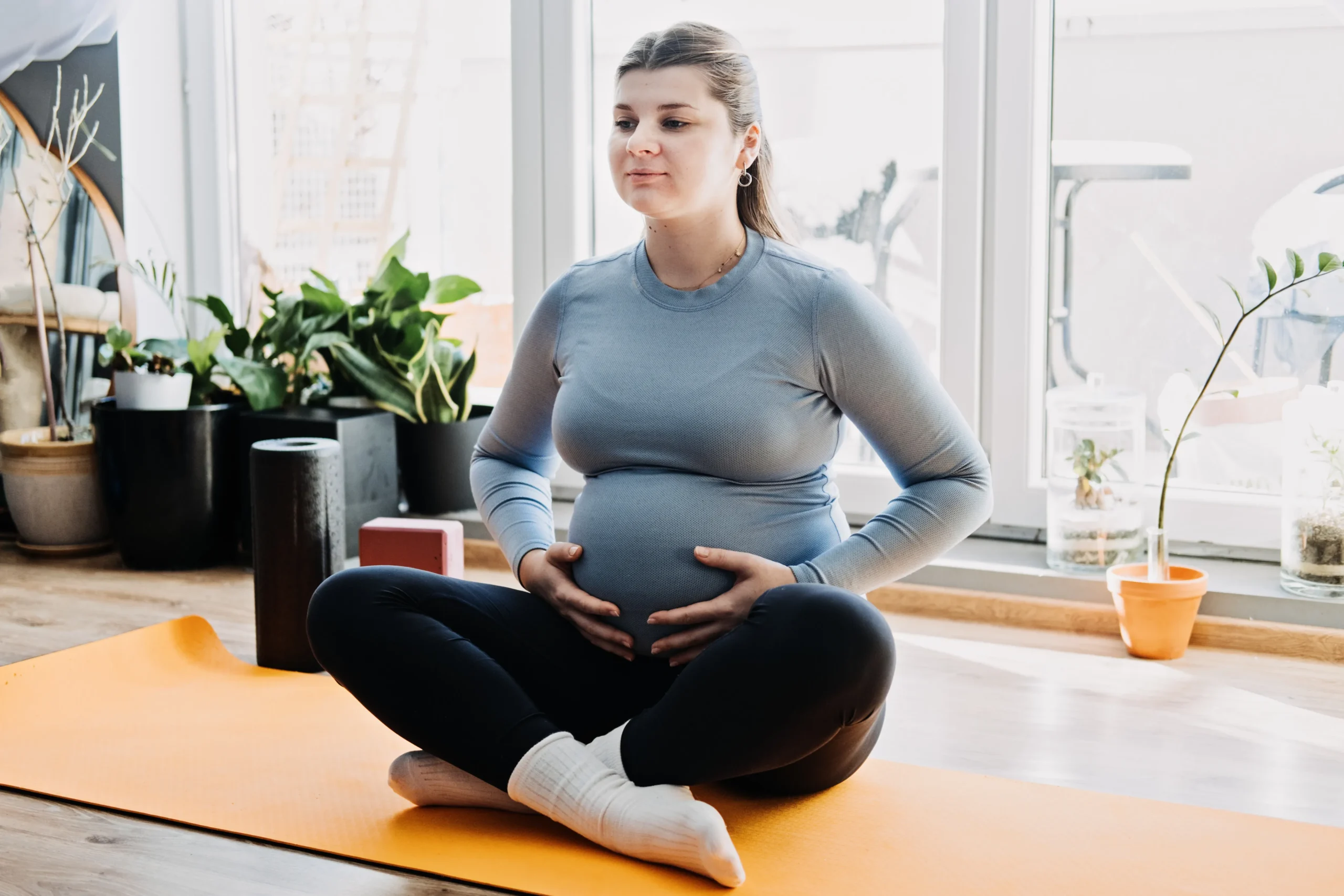
The changes that occur in your body during pregnancy can lead to pelvic and lower back pain, urinary incontinence, and other musculoskeletal concerns.
What Treatment Options Do We Offer?
Treatment for pelvic health concerns varies depending on the cause. That’s why our team will spend your first session taking your health history, reviewing your symptoms, and running several screens so we can provide you with the interventions you need.
Here are some of the common treatment options we use to improve pelvic health:
Pelvic Floor Exercises
We’ll show you tailored exercises designed to stretch and strengthen your pelvic floor muscles–and ensure you’re performing them correctly.
Biofeedback
Biofeedback uses technology to help you “see” what’s going on inside your body. This is especially true for the pelvic floor, an internal muscle that can be harder to control.
Manual Therapy
Certain hands-on pain relieving techniques, such as myofascial release, can help ease muscle tension that can contribute to pelvic pain and dysfunction.
Electrical Stimulation
Electrical stimulation (sometimes called TENs) uses a mild electric pulse to improve pelvic muscle function and reduce pain.
Bladder Training
If you’re dealing with urinary incontinence (especially urge incontinence), bladder training can help you go longer between bathroom breaks.
Lifestyle Modifications
We’ll help you find lasting relief by addressing other factors that might contribute to pelvic floor dysfunction, such as regular exercise, nutrition, and more.
Ready to Get Started?
At Fitness Matters, we understand how challenging it can be to live with pelvic floor dysfunction. Worse, many people will suffer for years due to the shame surrounding common symptoms related to poor pelvic floor health. We want you to know there’s nothing to be ashamed of–and our physical therapists have heard it all! Take control of your health and well-being, starting with your pelvic health. Call our clinic today to set up your initial consultation!
Garden and Yard Work:
Approaches to Injury Prevention
Spring has sprung, and many are eager to get their hands dirty in the garden or yard. However, these activities can put an unexpected strain on your body if you’re not prepared. Try these tips to keep you gardening longer while minimizing your risk for injury.
- Movement Prep: Gone are the days of old-school static stretching. Instead, use a dynamic warm-up to prep your muscles and joints for gardening.
- Spinal Health: Incorporate ‘active breaks’ every 20 minutes to reset your spine. Or alternate between working up high (like trimming bushes) and down low (like planting flowers). This gives specific muscle groups a break and reduces the risk of overuse injuries.
- Neuromuscular Control: Practice exercises that engage both your brain and muscles, like balance exercises to avoid trips and falls over uneven terrain or gardening tools, making it easier to navigate through your garden.
Utilizing these cutting-edge approaches can ensure a physically fulfilling and injury-free gardening season, allowing you to fully enjoy the fruits (and flowers) of your labor.
Happy Gardening!

Recipe of the Month: Healthy Blueberry Muffins

Ingredients:
- 1 ¾ cups plus 1 tsp white whole wheat flour or regular whole wheat flour
- 1 tsp baking powder
- ½ tsp baking soda
- ½ tsp fine salt
- ¼ tsp ground cinnamon
- 1/3 cup melted coconut oil
- ½ cup honey or maple syrup
- 2 eggs, preferably at room temperature
- 1 cup plain Greek yogurt
- 2 tsps vanilla extract
- 6 oz blueberries
Instructions:
- Preheat oven to 400°F. Grease all 12 muffin cups with butter, coconut oil, or cooking spray, or line with muffin liners. In a large bowl, whisk together 1¾ cups flour, baking powder, baking soda, salt, and cinnamon.
- In a medium bowl, whisk oil and honey or maple syrup. Add eggs and beat well, then mix in yogurt and vanilla. Pour wet ingredients into dry ingredients and stir with a large spoon just until combined (a few lumps are fine). In a small bowl, toss blueberries with the remaining 1 tsp flour to prevent sinking, then gently fold into the batter. Batter will be thick. Divide batter evenly among the 12 muffin cups and sprinkle tops with turbinado sugar.
- Bake 16–19 minutes, until tops are golden and a toothpick inserted comes out clean. Cool the pan on a rack; run a butter knife around edges if needed to release. Store muffins covered at room temperature for 2 days, refrigerate up to 5 days, or freeze up to 3 months.