
Intimacy Can Feel Comfortable Again
Pain during intimacy can have a profound impact on your quality of life, influencing relationships, confidence, and how you feel about your body. Known medically as dyspareunia, pain with intercourse can occur for many reasons, and pelvic floor dysfunction may be one contributing factor. If you are experiencing painful intercourse in Worthington, Grandview, Westerville and Dublin, OH, Fitness Matters provides individualized pelvic health physical therapy focused on understanding your symptoms and helping you regain comfort. With one-on-one care, you can learn how your pelvic floor functions and work toward greater confidence in your intimate life.
Understanding Dyspareunia and Pelvic Pain
Dyspareunia describes persistent or recurring pain associated with sexual intercourse. Discomfort may occur at the vaginal opening, deeper within the pelvis, or after intercourse. The pain can also extend into nearby areas, including the rectum, lower abdomen, hips, or lower back.
Pelvic floor muscles surround and support the openings of the pelvis, including the vagina and rectum. When these muscles become overactive, sensitive, or difficult to relax, penetration may be painful. Increased pelvic floor tension may also contribute to rectal pain, discomfort with bowel movements, or a persistent feeling of pressure in the pelvis.
Several factors can contribute to these symptoms, including:
- Pregnancy and childbirth
- Hormonal changes
- Endometriosis
- Pelvic surgery
- Scar tissue
- Painful bladder conditions
- Injuries
- Pelvic floor muscle dysfunction
Because dyspareunia can have multiple causes, a thorough evaluation is important for determining which factors may be addressed through physical therapy.
Signs That May Accompany Pain With Intercourse
Symptoms vary depending on their underlying contributors. You may experience:
- Burning, aching, or sharp pain with penetration
- Pain at the vaginal opening or deeper within the pelvis
- Pelvic discomfort that continues after intercourse
- Pelvic floor muscle tightness or tenderness
- Pain with tampon insertion or pelvic examinations
- Rectal pain, pressure, or discomfort
- Discomfort during or after bowel movements
- Lower abdominal, hip, or lower back discomfort
- Difficulty relaxing the pelvic floor muscles
Helping Your Pelvic Floor Relax and Function Better
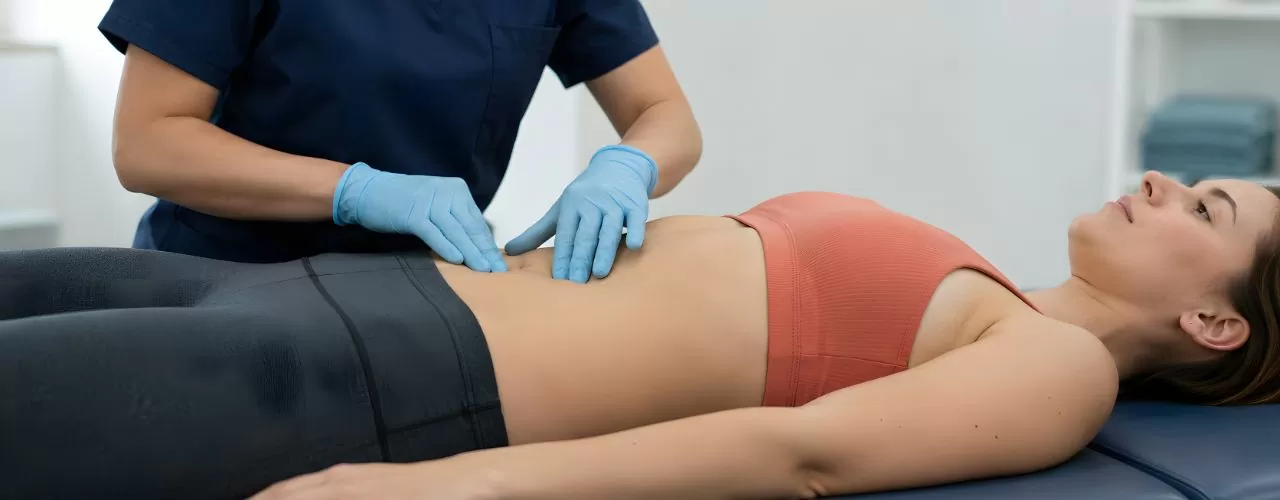
At Fitness Matters, our physical therapists take time to understand your symptoms, health history, daily activities, and goals. An evaluation may consider pelvic floor muscle function along with breathing, mobility, posture, strength, and movement patterns throughout the body.
Your treatment will reflect your individual needs and comfort level. For example, in many cases, care doesn’t involve strengthening the pelvic floor. Instead, learning to relax and coordinate the muscles may be an important part of improving function.
Techniques may include:
- Pelvic floor relaxation and coordination exercises
- Manual therapy for tight or sensitive muscles
- Soft tissue and scar mobility techniques
- Diaphragmatic breathing and relaxation strategies
- Hip, spine, and pelvic mobility exercises
- Core and hip strengthening when appropriate
- Education about pelvic floor anatomy and function
- Strategies to gradually improve tolerance to penetration
- Bowel positioning and relaxation strategies when rectal symptoms are present
We’ll explain your treatment options and help you progress at a pace that feels appropriate.
Take a Step Toward Greater Comfort During Intimacy
Pain with intercourse or related pelvic and rectal discomfort does not have to be something you quietly work around. At Fitness Matters, one-on-one pelvic health physical therapy in Worthington, Grandview, Westerville and Dublin, OH allows you to better understand your symptoms and address contributing musculoskeletal factors.
Contact us today to schedule an evaluation and begin working toward greater comfort, confidence, and pelvic health.
Frequently Asked Questions
The pelvic floor muscles support and surround both the vaginal and rectal regions. Increased muscle tension or sensitivity can sometimes contribute to symptoms in both areas. An evaluation can help identify whether pelvic floor dysfunction may be involved.
Progress varies based on your symptoms, contributing factors, and individual response to treatment. Your physical therapist will monitor your progress and adjust your plan as your mobility, muscle function, and comfort change.
Stress and anxiety can influence muscle tension and the body’s response to pain. For some people, increased stress may make it more difficult for the pelvic floor muscles to relax, which can contribute to discomfort during intercourse. Pelvic floor physical therapy may incorporate breathing, relaxation, and muscle coordination strategies to help address these factors.
Are You Ready to Live Pain-Free?
Don’t let pain dictate your life. Take the first step towards reclaiming your mobility and well-being with our expert support. Start your journey to a healthier you today.
