

Addressing Sciatic Pain: Start Early for Best Results
Addressing Sciatic Pain:
Start Early for Best Results
Lower back pain is bad enough. Now imagine that pain radiating down through your buttocks and into your leg. Maybe your leg becomes numb. Maybe the pain is so bad that you can barely walk!
For people with sciatica, this nightmare scenario is a reality. Sciatica is a type of lumbar radiculopathy (i.e., nerve pain) resulting from damage or irritation to the sciatic nerve, which runs from your lower back down the back of your leg. It affects between 1% – 5% of the population.
Sciatica can be debilitating. In addition to intense pain, it severely limits your mobility — some people may struggle to get around at all. And because it results from nerve damage, it can also cause numbness, tingling, and other sensations in the leg.
The good news is that physical therapy at Fitness Matters is one of the best treatment options for addressing sciatic pain. Unlike pain medication, it doesn’t simply mask the symptoms — it seeks to resolve the underlying cause of your sciatic pain so that you have lasting relief.
Are you ready to say goodbye to sciatic pain for good? Call us to set up your initial evaluation today — and let us get to the root of your sciatica!

Our Patients Get Great Results
“Great experience post shoulder surgery. Holly C is one of the most personable, knowledgeable and kindest people I’ve met. She truly cares for her patients. She goes above and beyond! Fitness Matters is welcoming from the moment you walk in!” – A.S.
When Should I See a Physical Therapist About Sciatica?
As with most musculoskeletal pains, sooner is better! Many people try to ride out sciatic pain by taking pain medication and resting — which can actually be counterproductive and further worsen the underlying cause of your sciatica. By seeking out an early intervention, you can start feeling better faster.
You should also pay attention to changes in the severity of your pain or shifting sensations in your back and leg. Because sciatica is caused by pressure on the sciatic nerve, these changing symptoms can indicate something is happening to the nerve.
What are some of the specific symptoms of sciatica you should watch out for?
- Pain in the lower back, buttocks, and leg. (Sciatica usually only affects one leg at a time.) This pain might be dull, throbbing, aching, shooting, sharp, etc. Remember to pay attention to changes in sensation!
- Numbness or tingling in the back, buttocks, or leg
- Restricted range of motion in the back. You might struggle to twist, bend, or stand up straight.
- Walking with a limp
- Increased pain in the morning or after remaining in one position for an extended period
One symptom you absolutely shouldn’t ignore is any kind of incontinence when paired with sciatic pain. This indicates a serious medical emergency that may require surgical intervention — but our physical therapists will be here waiting to help you with rehabilitation!
Fortunately, such incidents are rare. In most cases, regular physical therapy is enough to resolve sciatic pain.
Physical Therapy: Frontline Treatment for Sciatica
One of the reasons physical therapy is so effective for sciatic pain is that it focuses on resolving the underlying cause. When you come in for your appointment, our therapists will perform a comprehensive evaluation to help us determine what might be irritating, pinching, or compressing your sciatica nerve.
We’ll ask you to share details about your symptoms, such as when they started and the exact sensations you’re experiencing (i.e., dull pain, shooting pain, numbness). We’ll also perform several movement screens that give us a complete picture of your situation. We might check the following:
- Overall mobility
- Muscle weakness and activity
- Nerve activity
- Posture
- Balance and gait
Once we understand what’s causing your sciatic pain, we’ll develop a customized treatment plan to address that cause. The most common cause of sciatica is a lumbar herniated disc.
Nestled between each vertebra in your spine is a vertebral disc, a soft cushion of cartilage that protects the vertebrae from rubbing against each other. If one of those discs becomes damaged — either because of a sudden injury or age-related degeneration — they can rupture or bulge, irritating the nearby sciatic nerve.
By addressing your herniated disc, you can resolve your sciatica. For most people, that means a targeted, progressive therapeutic exercise program paired with pain management techniques such as manual therapy.
Don’t Let That Sciatic Pain Linger: Make Your Appointment Today!
Sciatica can dramatically impact your overall quality of life. Early intervention with Fitness Matters will ensure you say goodbye to sciatic pain for good. If you’re experiencing any possible sciatica symptoms, call today to make your appointment!
Five Indoor Cardio Workouts To Get Your Heart Pumping This February
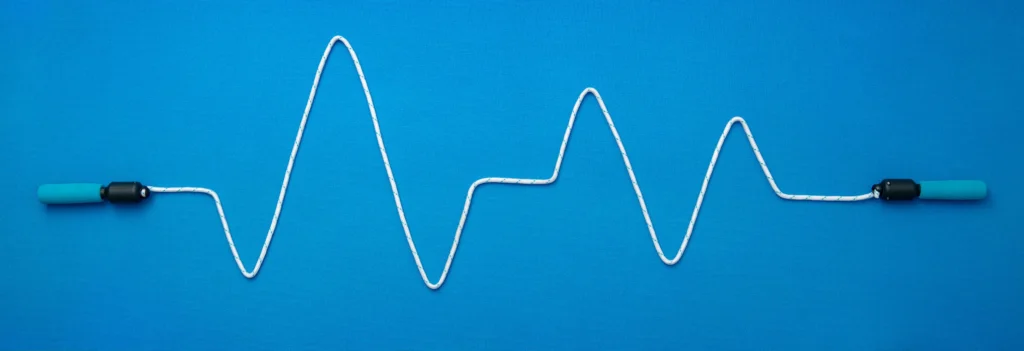
February might be National Heart Month–but, in many places, it’s also one of the coldest months of the year. Snow, ice, and freezing temperatures can make it hard to go for a morning jog or hit the gym.
The good news? You still have plenty of options to get your cardio in, no matter what the weather is doing outside! Here are five of the Fitness Matters team’s favorite indoor cardio workouts (that don’t require any expensive equipment):
Jump Rope
Jump ropes are inexpensive and easy to store. They’re also a simple way to get your heart pumping while improving coordination. If jumping rope feels too intense for you, try bouncing up or down without a rope or perform some high knee marches.
Dance
Dancing is a fantastic cardio workout that–bonus–doesn’t feel like working out! You can opt for dance fitness videos (like Zumba) or just plug in a high-energy playlist and make up your own choreography.
Body Weight Circuits
Combine exercises like jumping jacks, mountain climbers, burpees, and high knees into a circuit for a quick, high-intensity cardio blast.
Stair Climbing
If you have stairs in your home, use them in place of your gym’s stair-stepper machine for an efficient cardio workout. You could also invest in an adjustable step block.
Online Aerobic Classes
Many studios offer online options (both live and prerecorded) for aerobic classes like HIIT, kickboxing, dance fitness, and more. Try different types until you find one you enjoy
If you’d like more guidance when planning your cardio routine, schedule an appointment at Fitness Matters! Our team will help you find the best exercises for your needs.

Recipe of the Month: Buffalo Cauliflower Lettuce Wraps

Ingredients:
- 16 oz. cauliflower florets
- 2 Tbsp. olive oil
- ⅓ cup buffalo sauce
- 8 large lettuce leaves
- 1 stalk celery chopped
- ½ cup matchstick carrots
- ¼ cup blue cheese crumbles
Instructions:
- Preheat oven to 450F.
- Toss cauliflower in oil. Spread evenly on parchment-lined baking sheet and bake 15-20 minutes, flipping midway, until tender.
- Drizzle buffalo sauce onto cauliflower and toss to coat well. Return pan to oven and bake additional 5 minutes.
- Fill lettuce cups with buffalo cauliflower and top with carrots, celery and blue cheese.